
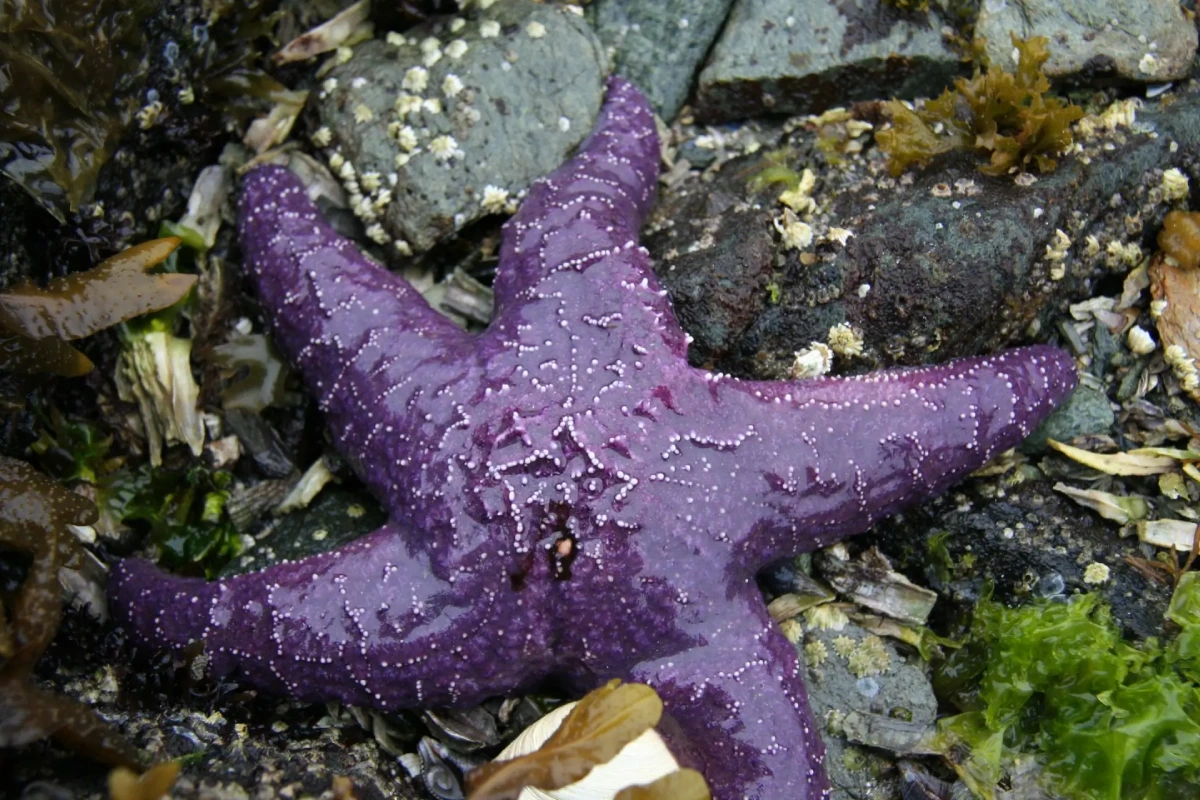
#1) True Sea Star
A Fascinating Marine Invertebrate
Introduction
The true sea star, often simply called a “starfish,” is a remarkable marine animal found in oceans around the world. Despite its common name, the true sea star is not a fish but an echinoderm, closely related to sea urchins and sand dollars. Noted for their striking appearance and unique adaptations, true sea stars play vital roles in marine ecosystems.
Physical Characteristics
True sea stars typically have a central disc with five radiating arms, although some species can have more. Their bodies are covered in a tough, spiny skin that provides protection from predators. Beneath this exterior lies a complex system of water-filled canals that facilitate movement and feeding. Sea stars vary greatly in color and size, with some species displaying brilliant hues of orange, red, blue, or purple.
Locomotion and Feeding
Unlike most animals, true sea stars move using hundreds of tiny tube feet located on the underside of their arms. These tube feet operate through hydraulic pressure, allowing the sea star to glide slowly across the ocean floor. Sea stars are mostly carnivorous, feeding on mollusks such as clams and oysters. They use their arms to pry open the shells and then extrude their stomachs outward to digest prey externally before pulling the liquefied food back into their bodies.
Regeneration Abilities
One of the most extraordinary features of true sea stars is their ability to regenerate lost arms. In some cases, a sea star can regrow an entire new body from a single severed limb, provided part of the central disc remains. This adaptation not only helps them survive predator attacks but also aids in reproduction for some species.
Ecological Importance
True sea stars are important members of ocean ecosystems. As predators, they help maintain the balance of species populations, particularly mollusks. Their presence influences the structure of marine communities and contributes to the health and diversity of coral reefs, rocky shores, and seagrass beds.
Conservation and Threats
Many sea star populations are facing threats from climate change, pollution, and disease. A notable concern is “sea star wasting syndrome,” a disease that causes tissue decay and massive die-offs. Conservation efforts are underway to better understand and protect these iconic marine animals.
Conclusion
The true sea star is more than just a beautiful inhabitant of the ocean; it is a marvel of evolution with complex behaviors and vital ecological roles. Its ability to regenerate limbs and its unique feeding methods make it a subject of fascination for scientists and nature enthusiasts alike.
#2) Red and Purple Sea Urchins
An Overview of Two Fascinating Marine Species
Introduction
Sea urchins are intriguing marine animals known for their spiny exteriors and unique roles in ocean ecosystems. Among the many species found worldwide, the Red Sea Urchin (Mesocentrotus franciscanus) and the Purple Sea Urchin (Strongylocentrotus purpuratus) stand out for both their ecological importance and their commercial value. Here we explore the characteristics, habitats, ecological roles, and key differences between these two species.
Physical Characteristics
- Red Sea Urchin: Notable for its vivid red coloring, the Red Sea Urchin is one of the largest sea urchin species. Adults can reach diameters of up to 7 inches and possess long, robust spines that offer protection from predators.
- Purple Sea Urchin: As the name suggests, the Purple Sea Urchin is characterized by its striking purple hue. It is generally smaller than the red species, with adult diameters typically around 4 inches. Its spines are shorter and less robust but still provide effective protection.
Distribution and Habitat
Both species are found along the Pacific coast of North America, particularly from Alaska to Baja California. The Red Sea Urchin prefers deeper, rocky reef environments, often residing at depths up to 300 feet. In contrast, the Purple Sea Urchin is more commonly found in the intertidal zone and shallow subtidal areas, making it a familiar sight in tide pools and coastal waters.
Ecological Importance
- Red Sea Urchins play a significant role in maintaining kelp forest health. By feeding on kelp and other algae, they help regulate the growth of these underwater forests, which are vital habitats for many marine species.
- Purple Sea Urchins are also important grazers. Their populations can dramatically affect kelp forests, sometimes leading to overgrazing and the creation of “urchin barrens” where little kelp remains. This demonstrates the delicate balance required in these ecosystems.
Commercial Value
The Red Sea Urchin is highly prized for its roe, known as “uni,” a delicacy in sushi cuisine. Harvesting of Red Sea Urchins is an important industry along the Pacific coast, especially in California and British Columbia. The Purple Sea Urchin is less commercially significant but is sometimes used in research due to its hardiness and reproductive biology.
Key Differences
| Feature | Red Sea Urchin | Purple Sea Urchin |
| Scientific Name | Mesocentrotus franciscanus | Strongylocentrotus purpuratus |
| Color | Red | Purple |
| Size | Up to 7 inches diameter | Up to 4 inches diameter |
| Habitat Depth | Deeper, rocky reefs (up to 300 feet) | Intertidal and shallow subtidal |
| Commercial Value | High (uni production) | Low |
Conclusion
Red and Purple Sea Urchins are vital to the health and balance of coastal ecosystems along the Pacific coast of North America. While they share similarities as grazers and as part of marine food webs, their differences in physical characteristics, habitat preferences, and commercial value highlight the diversity found within sea urchins. Understanding and protecting these species is essential for the sustainability of ocean environments and the industries that depend on them.
#3) Giant or California Sea Cucumber
An Overview of Parastichopus californicus
Introduction
The Giant or California Sea Cucumber, scientifically known as Parastichopus californicus, is a fascinating marine invertebrate found along the Pacific coast of North America. Recognized for its impressive size and ecological role, this sea cucumber is an important species in the coastal ecosystem.
Description and Appearance
The Giant or California Sea Cucumber can grow up to 50 cm (about 20 inches) in length. Its body is cylindrical, soft, and leathery, typically displaying a reddish-brown to orange coloration. The surface is often covered in warty protrusions or papillae, which give it a rough texture. The mouth, located at one end of the body, is surrounded by a ring of feathery tentacles used for feeding.
Habitat and Distribution
This species is commonly found from the Gulf of Alaska to Baja California, Mexico. It primarily inhabits rocky substrates, kelp forests, and sandy or muddy bottoms from the intertidal zone down to depths of around 250 meters (820 feet). The Giant Sea Cucumber is especially abundant along the coasts of California, Oregon, Washington, Southeast Alaska and British Columbia.
Feeding and Behavior
Giant Sea Cucumbers are detritivores, meaning they feed on detritus—organic matter that settles on the sea floor. Using their tentacles, they gather and ingest sediment, extracting nutrients from decomposing plant and animal material. Their feeding behavior helps recycle nutrients and maintain the health of marine ecosystems.
Ecological Importance
As deposit feeders, California Sea Cucumbers play a crucial role in cleaning the sea floor and processing organic material. Their activities help aerate sediments and facilitate nutrient cycling, which benefits other marine life. Additionally, they serve as prey for various fish and invertebrate species, contributing to the coastal food web.
Reproduction and Life Cycle
California Sea Cucumbers reproduce by releasing eggs and sperm into the water column, where fertilization occurs externally. The fertilized eggs develop into free-swimming larvae before settling onto the sea floor and transforming into juvenile sea cucumbers. They can live for several years, with growth and reproductive rates influenced by environmental conditions.
Human Uses and Conservation
These sea cucumbers are harvested in some regions for culinary purposes, particularly in Asian markets where they are considered a delicacy. Harvesting is regulated in many areas to prevent overexploitation and ensure sustainable populations. Conservation efforts focus on monitoring populations and protecting critical habitats. Ketchikan is hot bed for commercial sea cucumber divers who harvest the creatures starting in October.
Conclusion
The Giant or California Sea Cucumber is an essential part of Pacific coastal ecosystems, contributing to both environmental health and human economies. Its unique biology, ecological functions, and economic value highlight the importance of understanding and conserving this remarkable marine species.
#4) Jellyfish
A Guide to the Unique Marine Species in Southeast Alaska Waters
Introduction
Southeast Alaska is renowned for its stunning landscapes, rich biodiversity, and vibrant marine life. Among the many creatures inhabiting its cold, nutrient-rich waters, jellyfish stand out as both fascinating and ecologically significant. These gelatinous animals are an integral part of the marine ecosystem, playing key roles in food webs and providing insight into ocean health.
Common Jellyfish Species in Southeast Alaska
Several species of jellyfish can be found along the coastlines and in the fjords of Southeast Alaska. The cold waters of the North Pacific create an ideal environment for these creatures to thrive. Some of the most notable jellyfish species include:
- Moon Jellyfish (Aurelia aurita): Recognizable by their translucent, saucer-shaped bodies and delicate, lacy tentacles, moon jellies are one of the most common species in Southeast Alaska. They often gather in large groups, or “blooms,” during the warmer months.
- Lion’s Mane Jellyfish (Cyanea capillata): Known for their impressive size and long, flowing tentacles, lion’s mane jellyfish are the largest species found in these waters. Their tentacles can deliver a mild sting and are often seen trailing behind their reddish-brown bells.
- Sea Nettle (Chrysaora fuscescens): This species is distinguished by its golden-brown bell and long, frilly tentacles. Sea nettles are less common but can be spotted in coastal areas, especially during warmer periods.
- Cross Jellyfish (Staurophora mertensii): Characterized by a cross-shaped pattern on their bell, these jellyfish are smaller and typically found in colder, deeper waters.
Ecological Importance
Jellyfish are crucial for maintaining the balance of marine ecosystems in Southeast Alaska. They serve as both predator and prey: feeding on plankton, small fish, and other invertebrates, while providing food for sea turtles, larger fish, and some seabirds. During periods of high abundance, jellyfish blooms can influence local food webs, sometimes outcompeting other species for resources.
Seasonal Patterns and Blooms
Jellyfish populations in Southeast Alaska fluctuate seasonally. Blooms are most common in late spring and summer, when water temperatures rise and nutrient levels peak due to increased sunlight and glacial runoff. These blooms can be so dense that they form visible “clouds” in the water, sometimes impacting fishing operations and recreational activities.
Human Interaction and Safety
While most jellyfish in Southeast Alaska are harmless to humans, some species—such as the lion’s mane and sea nettle—can deliver stings that cause minor irritation. Swimmers, divers, and fishermen are advised to exercise caution when jellyfish are present. In the event of a sting, rinsing the affected area with seawater (not freshwater) and seeking medical attention for severe symptoms is recommended.
Conservation and Research
Jellyfish are sensitive to changes in ocean conditions, including temperature, salinity, and pollution. Scientists in Southeast Alaska monitor jellyfish populations as indicators of broader environmental shifts, such as climate change and marine ecosystem health. Continued research helps inform conservation strategies and sustainable management of Alaska’s coastal resources.
Conclusion
The jellyfish of Southeast Alaska exemplify the region’s rich and dynamic marine life. Their presence, seasonal patterns, and ecological roles make them an important subject of study, as well as a captivating sight for locals and visitors alike. Understanding these creatures not only enhances appreciation for Alaska’s natural beauty but also underscores the importance of protecting its delicate marine environments.
#5) Rockfish
An Overview of Species, Ecology, and Significance
Introduction
Rockfish are a diverse group of marine fishes that play a critical ecological and economic role in the waters of Southeast Alaska. Renowned for their striking colors, long lifespans, and importance to both commercial and recreational fisheries, Southeast Alaska’s rockfish populations are a subject of fascination for scientists, anglers, and coastal communities alike.
Species Diversity
Southeast Alaska is home to more than 30 species of rockfish, which belong to the genus Sebastes. These species vary widely in appearance, habitat preference, and life history traits. Common species include the yelloweye rockfish (Sebastes ruberrimus), black rockfish (Sebastes melanops), quillback rockfish (Sebastes maliger), and copper rockfish (Sebastes caurinus). Many of these fish are easily recognizable by their vivid coloration, spiny dorsal fins, and robust bodies.
Habitat and Distribution
Rockfish typically inhabit rocky reefs, underwater pinnacles, and kelp forests, ranging from shallow coastal waters to depths exceeding 1,000 feet. In Southeast Alaska, their preferred environments include the complex seafloor structures found along the Inside Passage and outer coast. Juvenile rockfish often seek shelter in shallow kelp beds, while adults tend to occupy deeper, more stable habitats.
Life History and Ecology
Rockfish are distinguished by their slow growth, late maturity, and extraordinary longevity—some species can live for more than 100 years. They reproduce via internal fertilization, and females give birth to live young, typically in the spring and early summer. Because they mature slowly and produce relatively few offspring over their lifetimes, rockfish populations are especially vulnerable to overfishing and environmental changes.
Ecologically, rockfish are both predators and prey. They feed on crustaceans, small fish, and various invertebrates, while serving as prey for larger fish, marine mammals, and seabirds. Their presence is essential for maintaining the health and balance of Alaska’s marine ecosystems.
Fisheries and Conservation
Rockfish have long been an important resource for commercial, recreational, and subsistence fishers in Southeast Alaska. However, their biological characteristics make them susceptible to population declines. Over the past several decades, concerns about overfishing and habitat degradation have led to stricter management measures, including catch limits, marine protected areas, and gear restrictions. Ongoing research and monitoring efforts are crucial for ensuring the sustainability of these valuable fish stocks.
Cultural and Economic Importance
Beyond their ecological significance, rockfish are integral to the culture and economy of Southeast Alaska. They support local fisheries, contribute to tourism through sportfishing, and are a staple in the diets of many coastal communities. Their vibrant appearance also makes them a favorite subject for artists and photographers.
Conclusion
The rockfish of Southeast Alaska are remarkable for their diversity, resilience, and role in the region’s natural and human communities. Continued stewardship and informed management are essential to preserve these iconic fish for future generations.